RS FORM from RS Joomla is a powerful extension form builder with many extra and underrated features. In this article, we will explore some of these features, from using Google Docs and Google Sheets to using the inbuilt .PDF solution in RS Form.
Joomla 4 comes packed with features by the core version. One of these features is the Bootst6rap Framework, which Joomla has added by default.
Bootstrap has been around since 2011 and part of Joomla since version 3. The latest version, 5.1, is prebuilt into Joomla 4. When this is said, most of...
The dark mode is the new Black, and it keeps your eyes from getting light exhausting. And it also looks great in the browser. The Dark mode is not native in either Joomla 3 or Joomla 4 (as of my knowledge). But there is a solution if you don’t want to use a plugin for your browser. You can simply...
In Joomla, it’s possible to use CSS more effectively than most people realize. You can, if wanted personalize each page just by adding a CSS class to the menu link.
Joomla offers in most modern templates the ability to target either the title or the page’s alias. It makes customized CSS very easy,...
Let's state it once and for all, the backend in Joomla is quite boring, but what if you can give it a more interactive and interesting look. This is quite easy to do using the backend modules and CSS.
The reason for this article offsprings from a Youtube Video that shows the benefits of haveing an...
Is it possible to make content sliders using pure CSS & HTML only? - Read through and find out more. I will show you some smart tricks that make an awesome reusable slider using only HTMl & CSS.
Have you ever written a long article with mutch specifications inside? - These articles have their way to become...
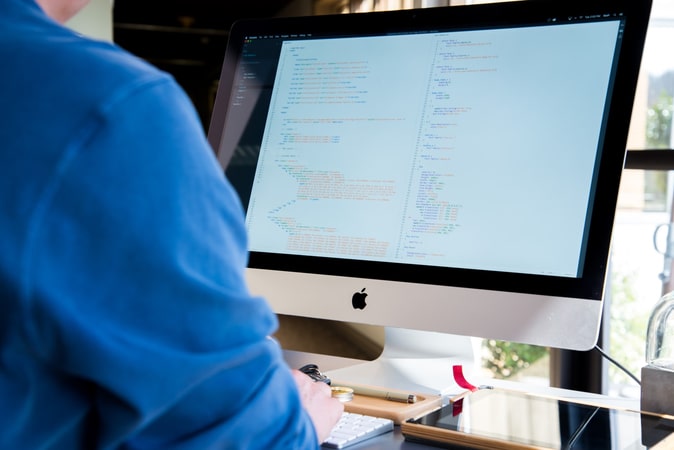
CSS has from the age of the Internet been a part of doing websites. It is an easy but useful way to design an article. There are several ways to write CSS in Joomla, you can use an external file to store all CSS codes in, you can use an extension to include the code, or you can write CSS directly in the content. In this article, I will give some look into how I do it.
In this article, I will show you three different ways to use CSS in an article. The easiest thing is to use an extension to add CSS to the article. There are several extensions in the JED (Joomla Extensions Directory) that gives this opportunity. One of the popular is Sourcerer from Regular Labs. But its also possible to do in-line CSS coding in every article, but this can be very ineffective in large articles, the third and maybe most used is to put the CSS codes into the template as eighter an external file or in the CSS capabilities of the template itself. In modern template-Framework is this common, the disadvantage of this is that you always need access to the backend to add extra CSS in your site.
W3C CSS verified: W3c.org is setting the standards for CSS
1 Code directly as you go (Hard coding the articles)
If you prefer to do the CSS coding inline as you write an article, you must bear in mind that you will NOT be able to reuse the CSS on any other articles and you must repeat the same thing for every content with the same code. This could look like this:
If you use an external file as a CSS source, it is normally located under the css folder in your template directory. And its usually called custom.css or user.css, the downside with this is that you need access to either FTP or bee logged in to the backend as a Super Administrator.
3 Use an extension to add CSS code in the article
If you want to use an extension to insert CSS in an article, you can not reuse the CSS codes without having it in every article that contains the same style.
What do I recommend?
A combination of the option 2 and 3, will give the easiest result and you can standardize some of the CSS styles in a file and add styles in that applies to certain articles at one addon at the end of the written article.
- LET ME KNOW IF YOU KNOW ANY OTHER WAYS TO DO THIS IN THE COMMENTS BELOW -
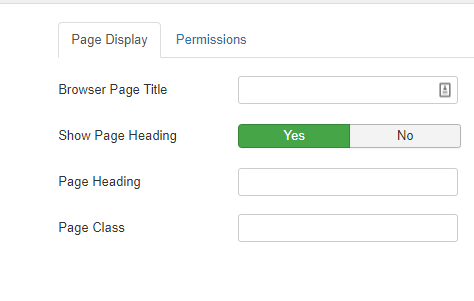
Have you ever made a website with Joomla and you are getting the title "Home" with a large h1-header-tag? You can either hide the tag completely on all content, or you must specify it to be hidden on every page/article you make. There is a third and maybe smarter way to do this.
Have you ever been frustrated by styling a page for then realize that every image contains a white line underneath, I saw this trick on Youtube and tried it with Joomla. The result was that line disappeared. This issue resides from the early internet when we've to use inline images in the text.
The Joomla! Project is pleased to announce the release of Joomla 6.0.4 and Joomla 5.4.4. These are security & bugfix releases for the Joomla 5.x and 6.x series.
Why should you join the Joomla World Conference? How did Angie Radtke experience her short term on the Board as the Secretary of Open Source Matters? What opportunities does Joomla offer for young developers looking to contribute to Open Source and...
Joomla is calling for a new President of Open Source Matters and it’s not just about having a title. It’s about empowering the community, lifting others up, and helping Joomla move forward together.